Steven J. Yazzie
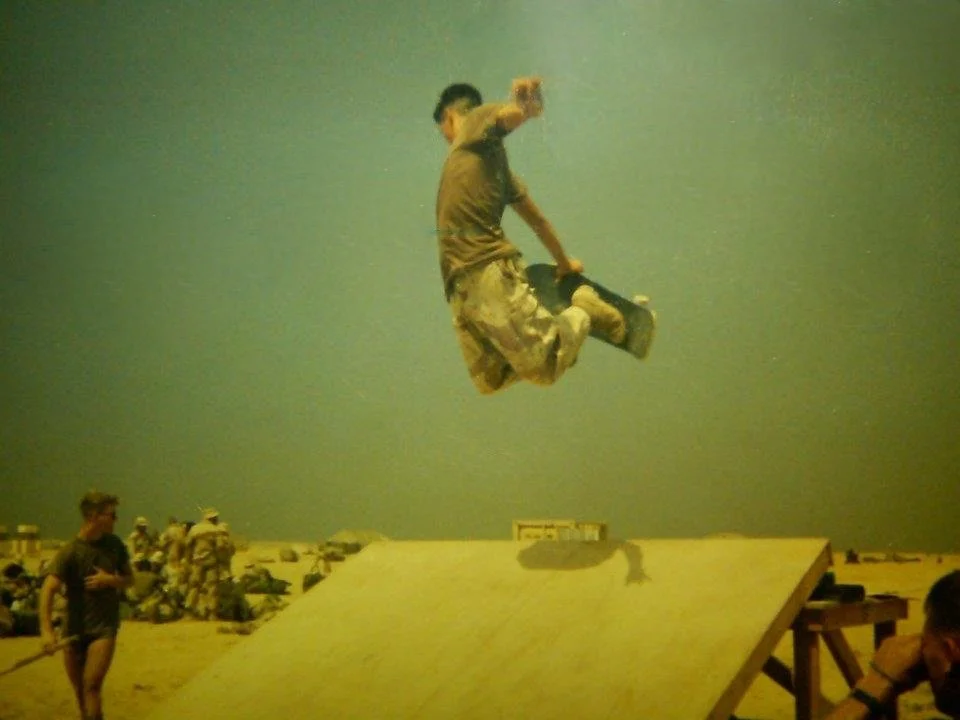
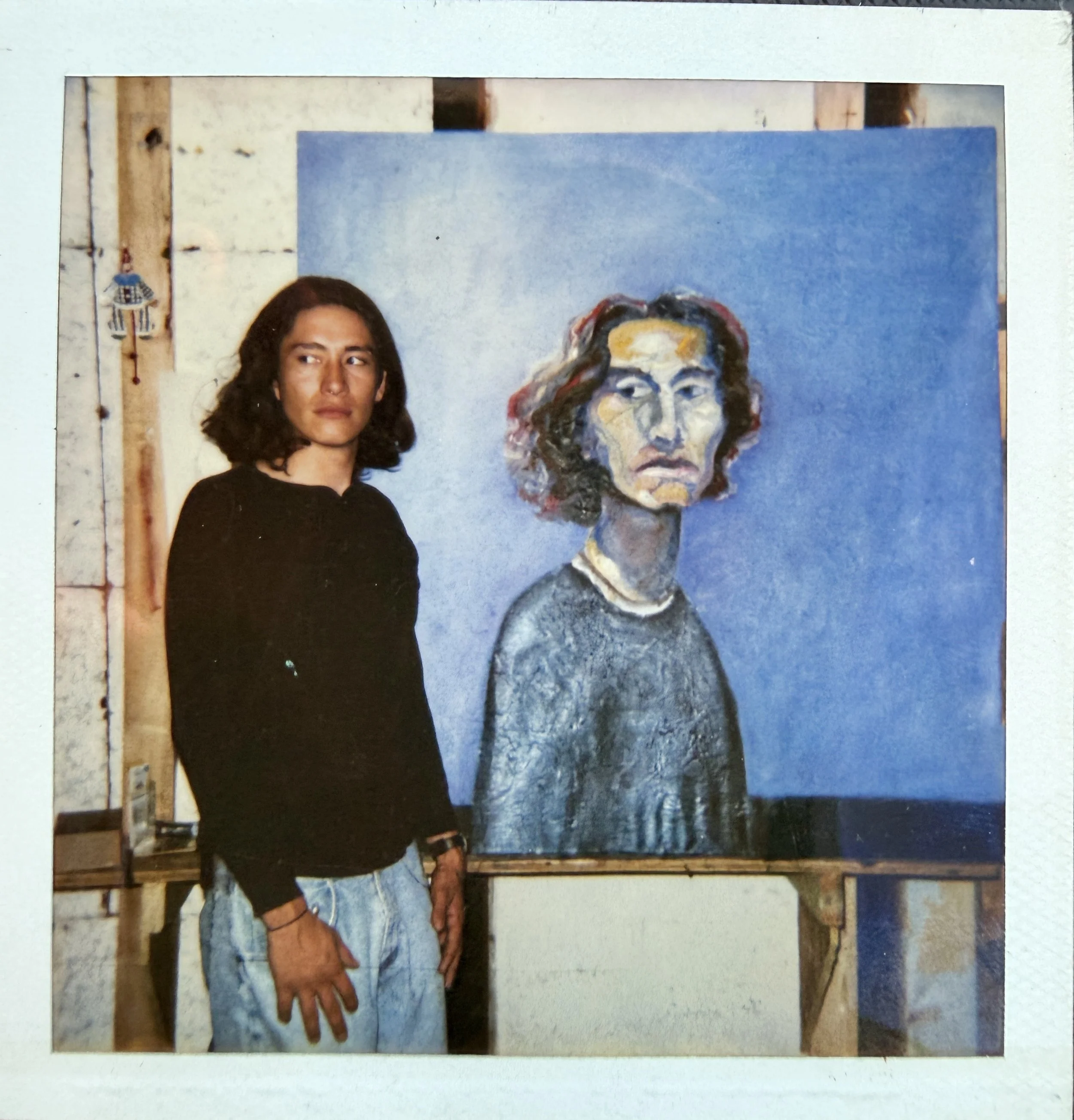

"Wind Cuts Through it", 2023, archival pigment photograph, 28 x 28 inches

"When Still, And When In Motion", 2023, archival pigment photograph, 28 x 28 inches

"How to See", 2023, archival pigment photograph, 28 x 28 inches

"Toward Beauty", 2023, archival pigment photograph, 28 x 28 inches

"Falling", 2023, archival pigment photograph, 28 x 28 inches

"How to See, Again", 2023, archival pigment photograph, 28 x 28 inches

"No Shit", 2023, archival pigment photograph, 28 x 28 inches

"Throwing Stars Over Monsters", 2023, archival pigment photograph, 56 x 32 inches
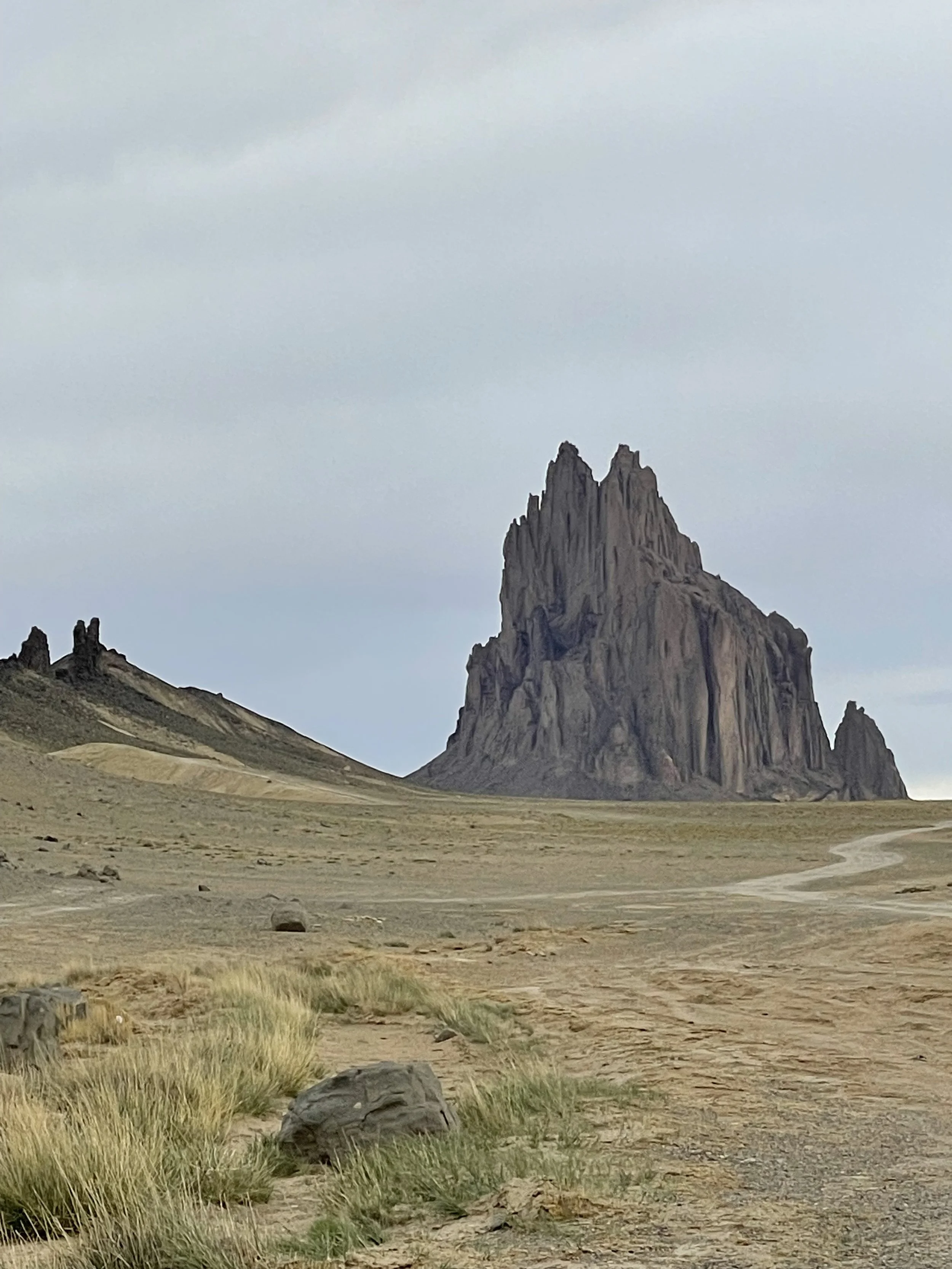
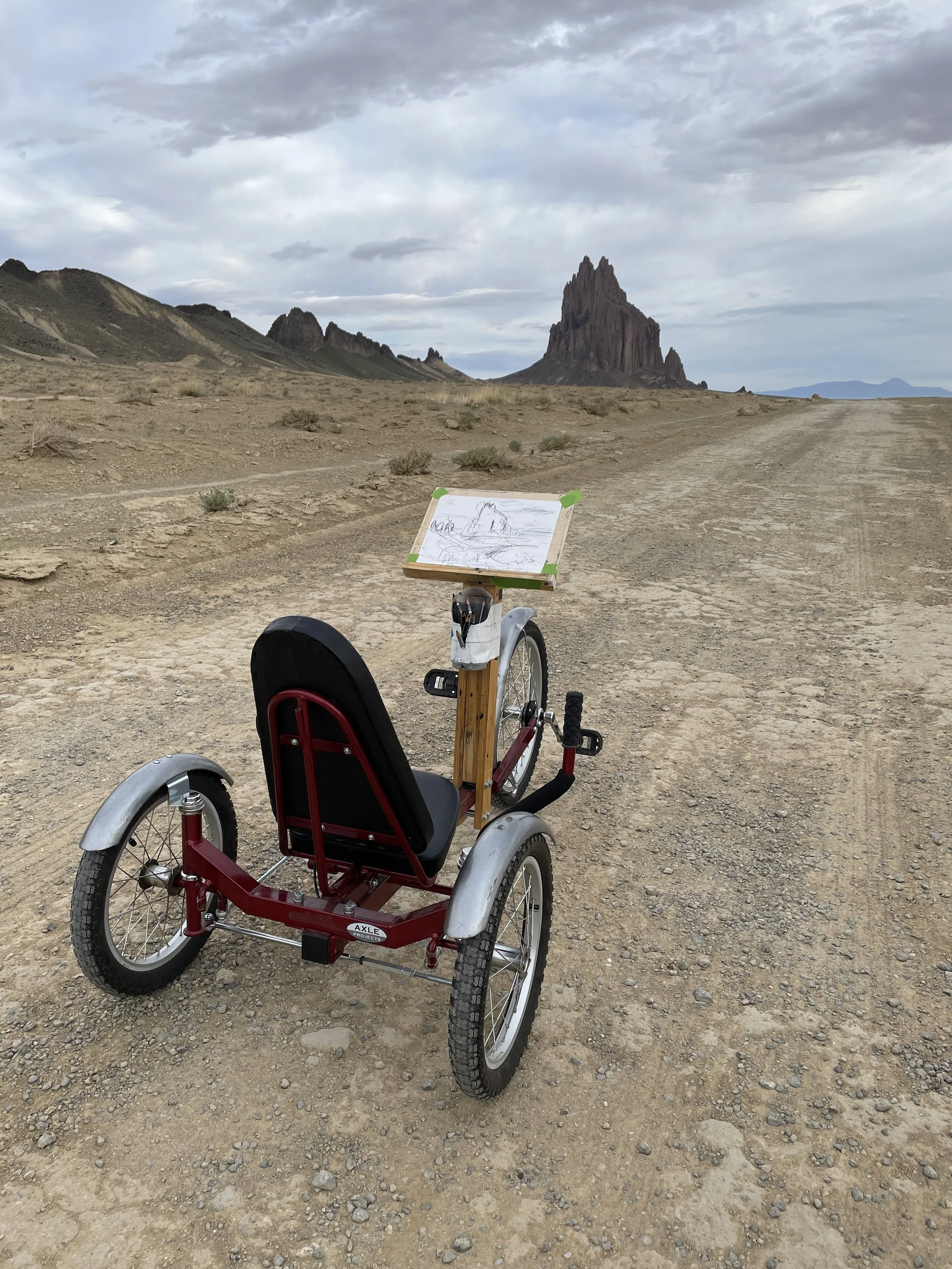
Animas River, Colorado, August 2015
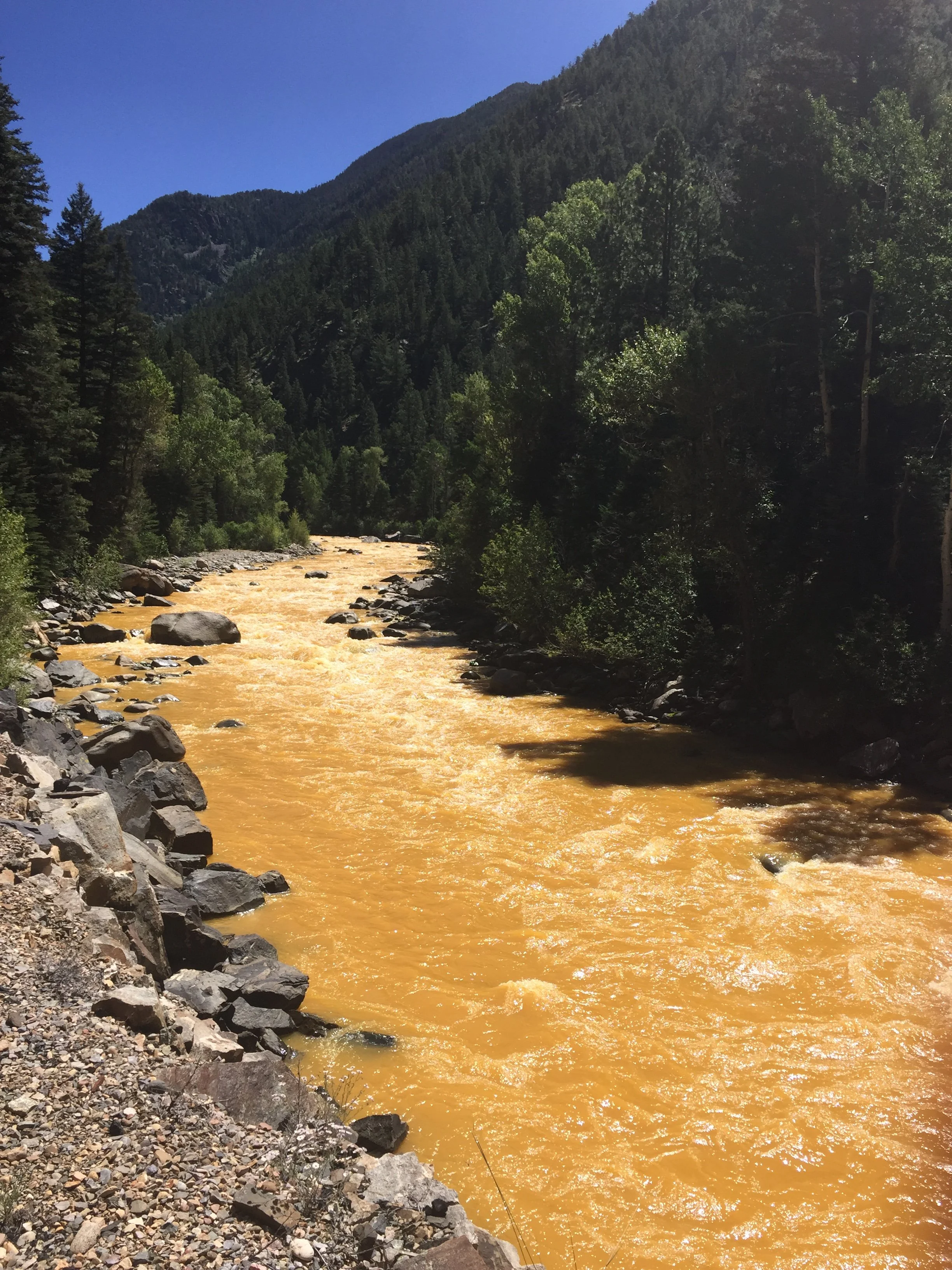
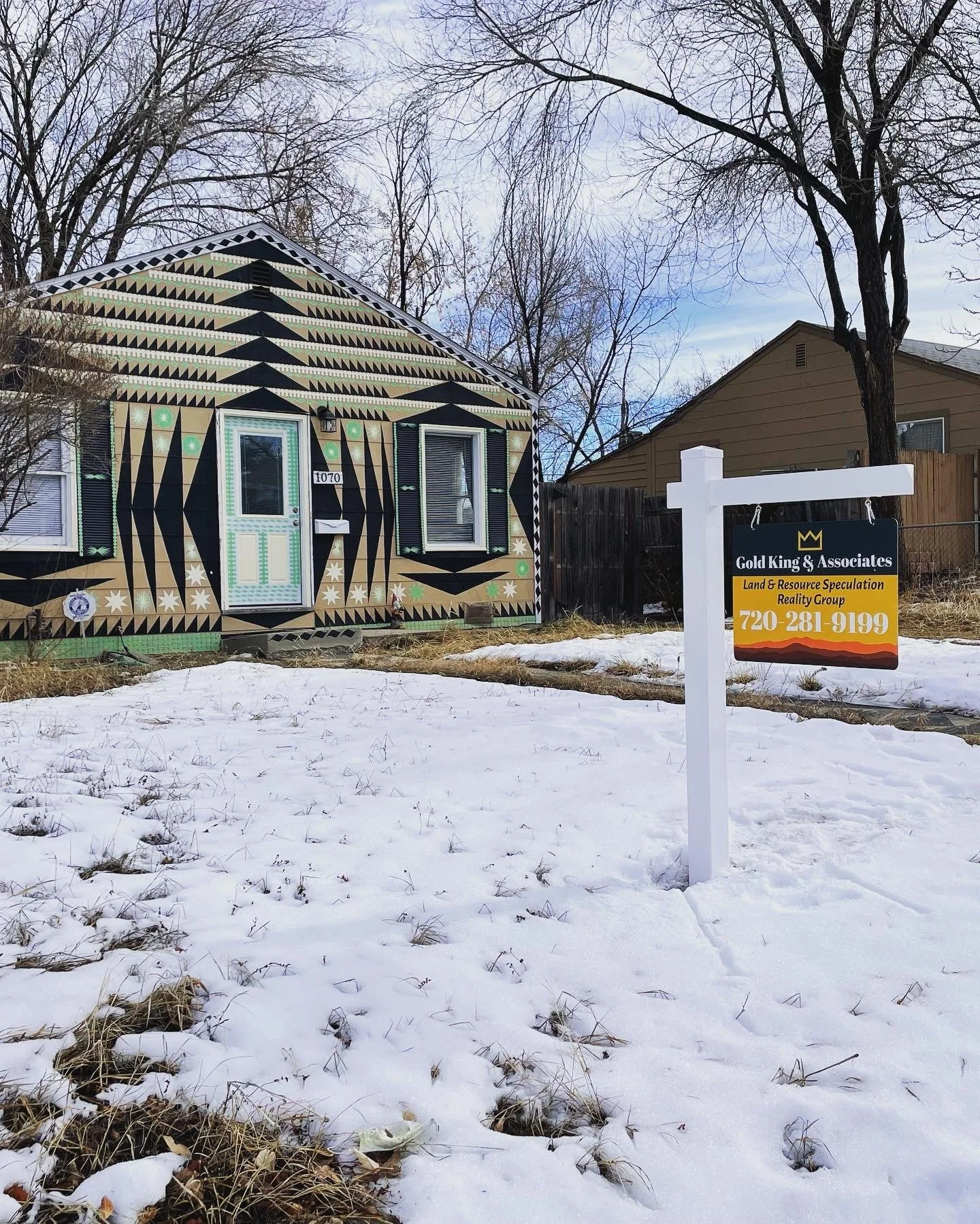
The 2015 Gold King Mine waste water spill was an environmental disaster that began at the Gold King Mine near Silverton, Colorado, when Environmental Protection Agency (EPA) personnel, along with workers for Environmental Restoration LLC (a Missouri company under EPA contract to mitigate pollutants from the closed mine), caused the release of toxic waste water into the Animas River watershed. They caused the accident by breaching a tailings dam while attempting to drain ponded water near the entrance of the mine on August 5.watershed. The EPA was criticized for not warning Colorado and New Mexico about the operation until the day after the waste water spilled, despite the fact the EPA employee "in charge of Gold King Mine knew of blowout risk."
The EPA has taken responsibility for the incident, but refused to pay for any damages claims filed after the accident on grounds of sovereign immunity, pending special authorization from Congress or re-filing of lawsuits in federal court Governor of Colorado John Hickenlooper declared the affected area a disaster zone. The spill affected waterways of municipalities in the states of Colorado, New Mexico, and Utah, as well as the Navajo Nation.
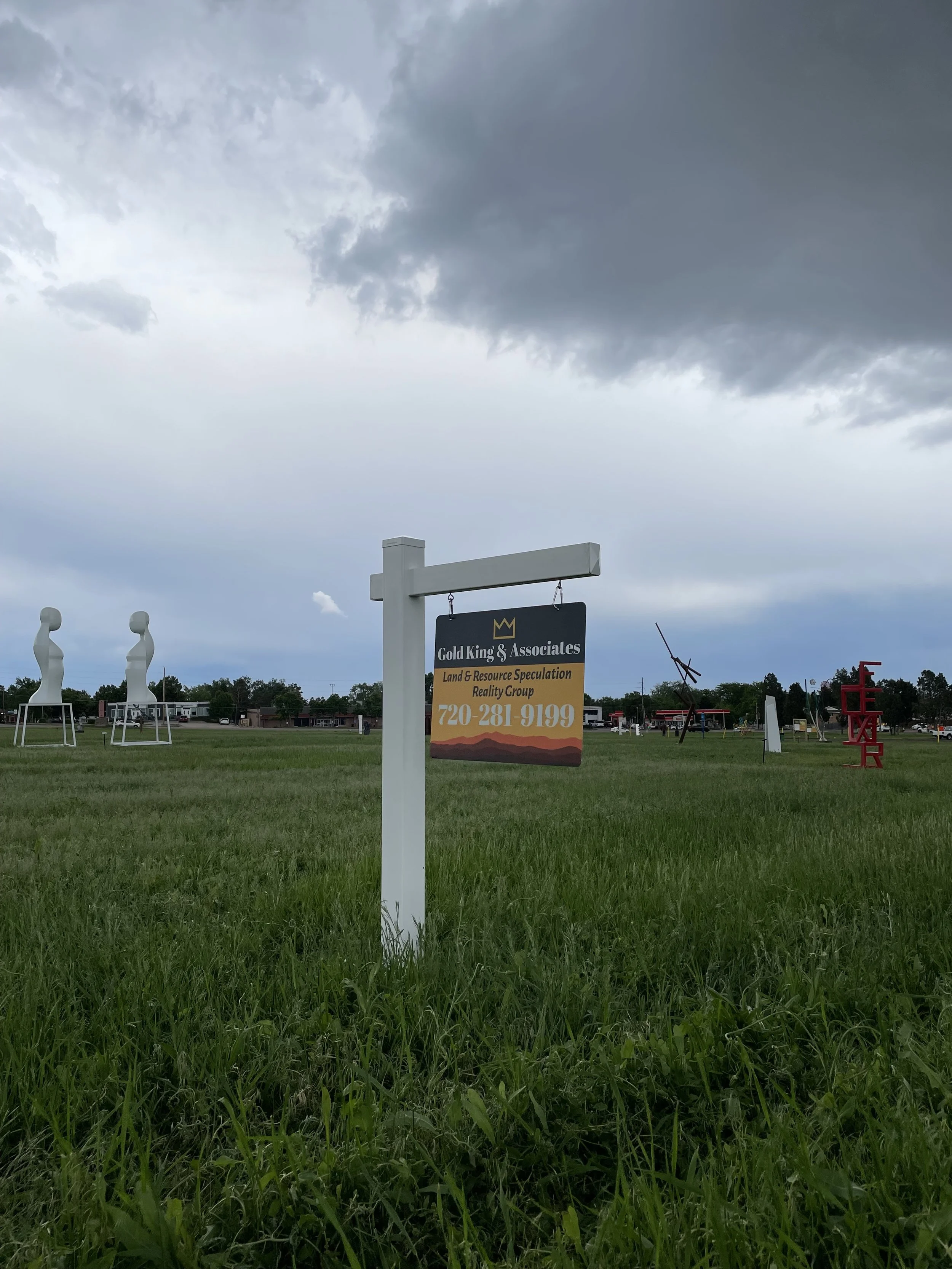
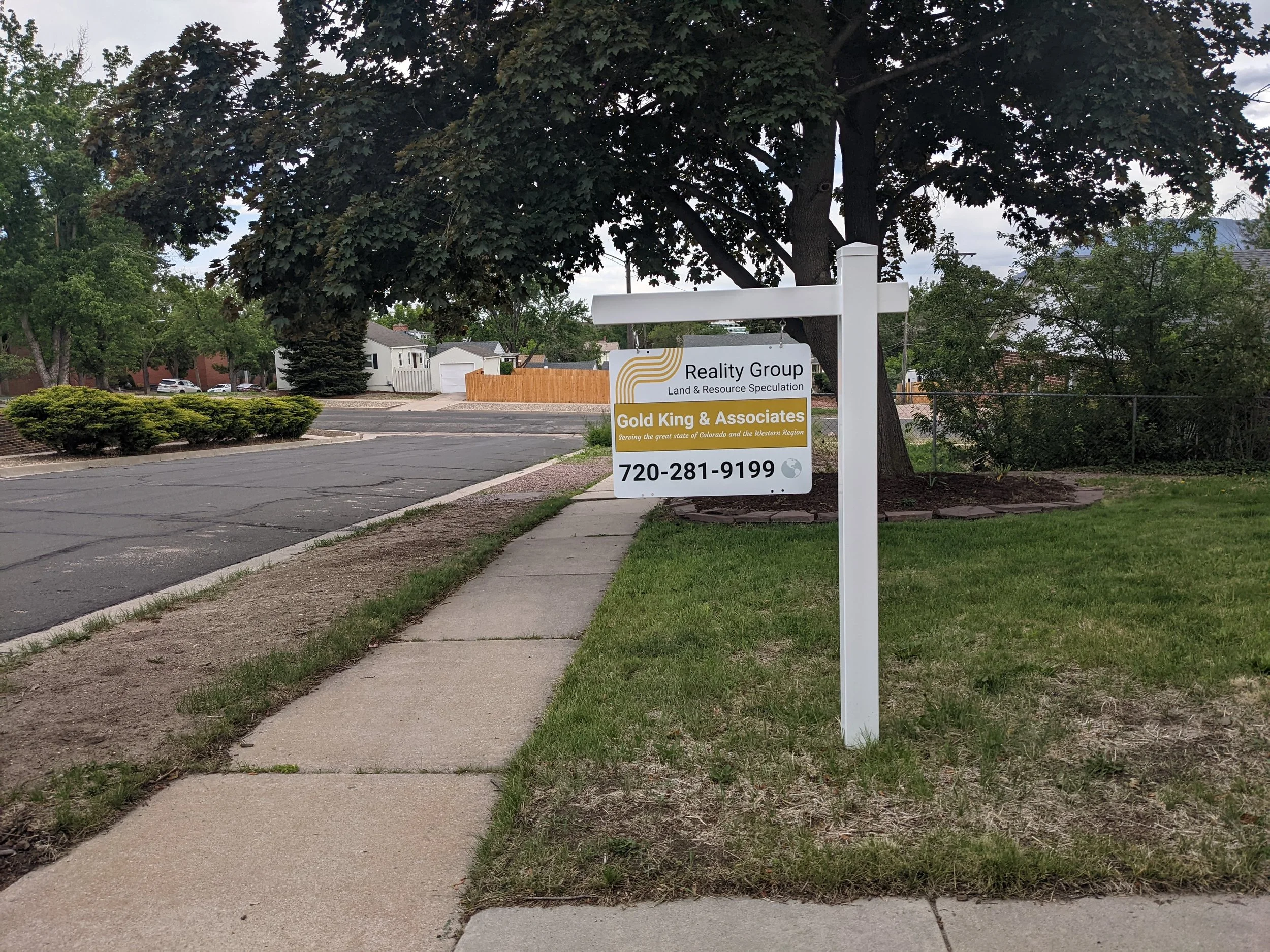
EL-D1 (Earth Lines - Dinétah 1), Single Channel Video, Duration: 12:24, Variable Dimensions, 2023

Earth Lines, Dinétah 1, 2023, archival pigment print, 22 x 50 Inches


Elders audio Contributors in order:
Sid Whiting, Lakota
Joy Harjo, Muskogee (Creek) Nation
Freddie Johnson, Diné
Dr. Gregory Cajete, Santa Clara Pueblo
Royce Manuel, Salt River Pima-Maricopa Indian Community
Bernard Siguieros, Tohono O’odham Nation
Stan Rodriguez, Santa Ysabel Band of the Lipay Nation
Rose Ann Hamilton, Cahuilla
Honorable Gregory H. Bigler, Euchee
Dr. Linda Tihiwai Smith, Ngāti Awa and Ngāti Porou Iwi
Honorable Robert Yazzie, Diné
N. Scott Momaday, Kiowa
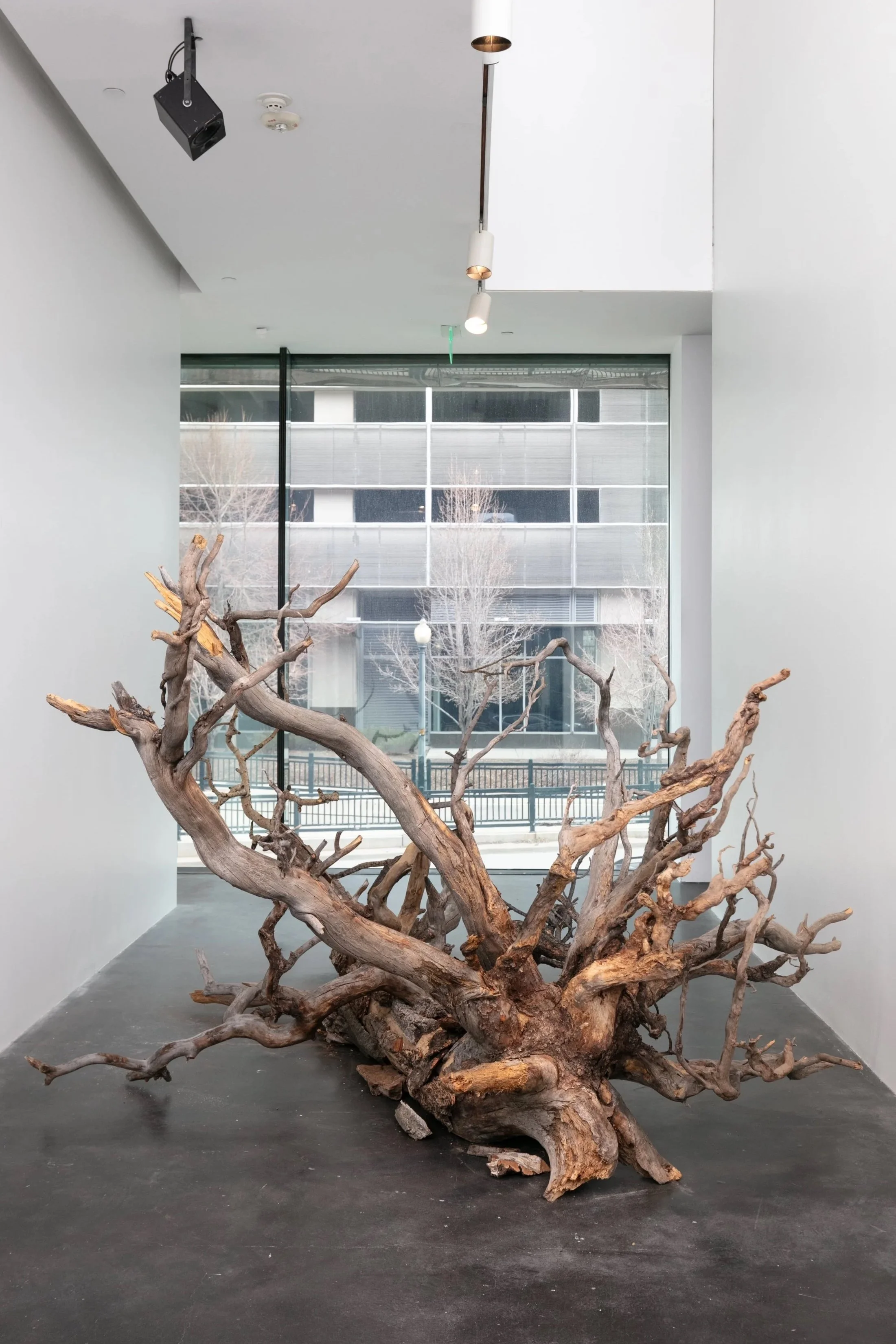
Knowing You, Denver
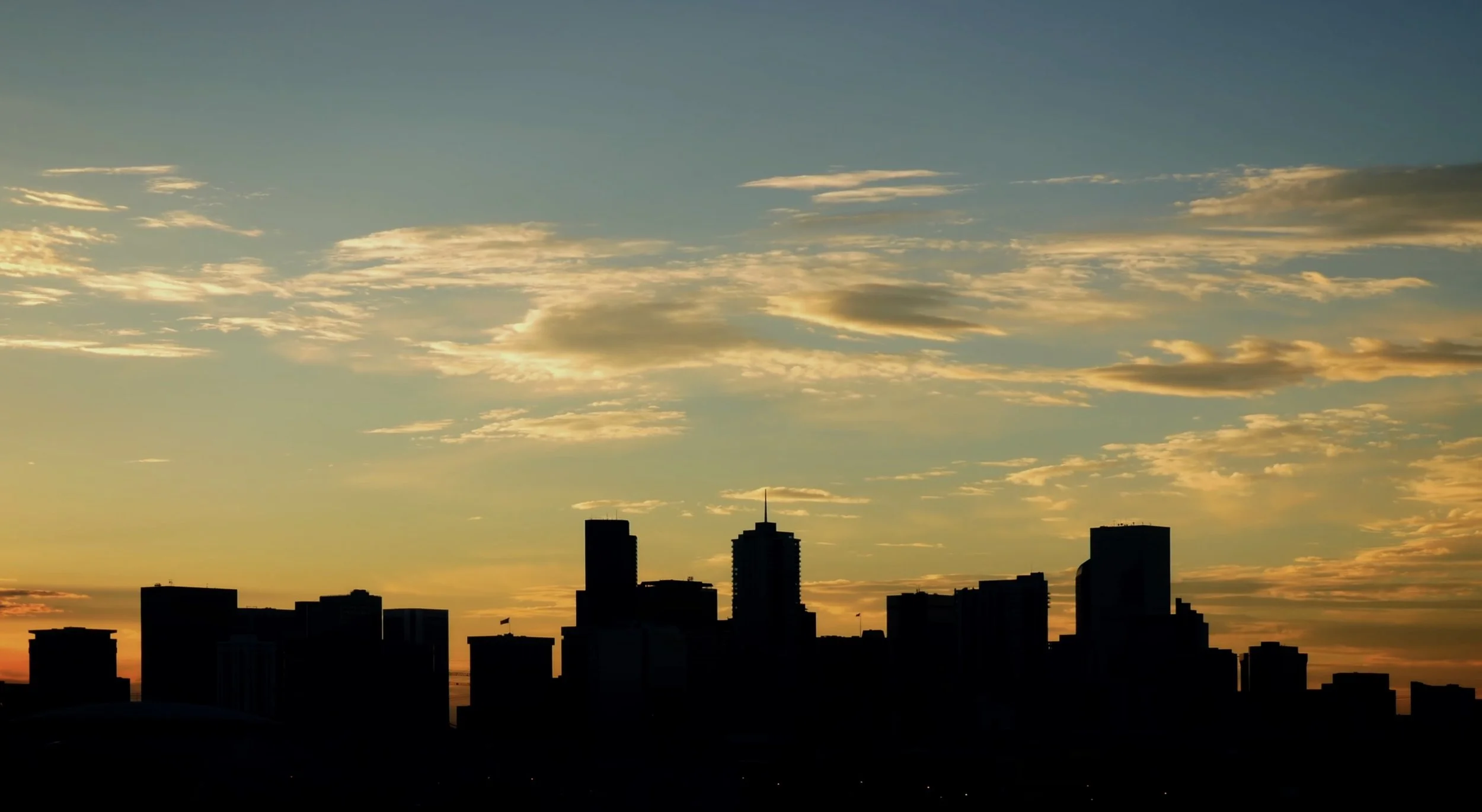
A data-driven, community-designed film project exploring Denver’s diverse cultural landscape.
Community input through museum gallery visitors, and four focus group sessions were the first two phases of the project created during a 2022 Native Arts Artist in Residency at the Denver Art Museum, Denver Colorado.
The final phase of film production was created in late summer of 2024.
Phase 1: Community Input
The first phase of the project involved data collection from museum visitors and community members. Prompts and questions were placed in a gallery in the museum space, where visitors could write or draw their responses to the questions. During the early phase of the project, I begin categorizing this feedback in order to start building the framework for the film production. Many of the questions were designed to guide me on the locations shoot, sounds, color, and the look and feel for the film. Other questions were created to become more conversational talking points that we used in the focus groups during phase 2.
Focus Group Ground Rules:
Speak one at a time.
Be courteous of others.
Speak for yourself, and not what you think others might believe.
Differing opinions and perspectives are expected; we may not agree on everything.
There are no wrong answers.
Prompts used in the gallery wall and in the focus groups.
1. What is the best time of day to experience Denver?
2. Imagine Denver as a color. What would it be?
3. What sounds do you hear in and around Denver?
4. What is the most important landmark in Denver and why?
5. What is the most critical issue facing Denver today?
6. Describe a memorable experience you’ve had in Denver.
7. The average Denver citizen can be described as …
8. What culture, ethnicity, or heritage do you most identify with?
9. If you can change anything about Denver, what would it be?
10. What’s Denver’s greatest resource?
11. If you can live in any Denver neighborhood, where would it be?
12. What’s your favorite ice cream?
Phase 2: Focus Groups
Four community focus groups were held at the Denver Art Museum. Each focus group included small cross section of community members who participated in a directed conversation about the Denver area. The goal of these focus group sessions was to gather stories and experiences from various local perspectives to help shape and inform the structure and narrative of the film.
Focus groups were documented in audio form and transcribed with permission from the participants. The transcriptions were archived, rearranged, and used to construct a poetic script which was used in the film.


Denver Art Museum, "Knowing You Denver", Installation view 1, 2024

Denver Art Museum, "Knowing You Denver", Installation view 2, 2024

Denver Art Museum, "Knowing You Denver", Installation view 3, 2024

Denver Art Museum, "Knowing You Denver", Installation view 4, 2024

"Electric Earth Song", oil on canvas, 192 x 78 inches, 2024

"Wilderness", oil on canvas, 64 x 78 inches, 2024

"Erupter", oil on canvas, 60 x 48 inches, 2024

"Fractured Light", oil on canvas, 60 x 48 inches, 2024

Earth Memory"", oil on canvas, 64 x 78 inches, 2024

"Meandered", oil on canvas, 192 x 78 inches, 2024

"Flux Abyss", oil on canvas, 84x120 inches, 2025

"Night-Dawn-Day-Dusk", oil on canvas, 180 x 72 inches, 2025
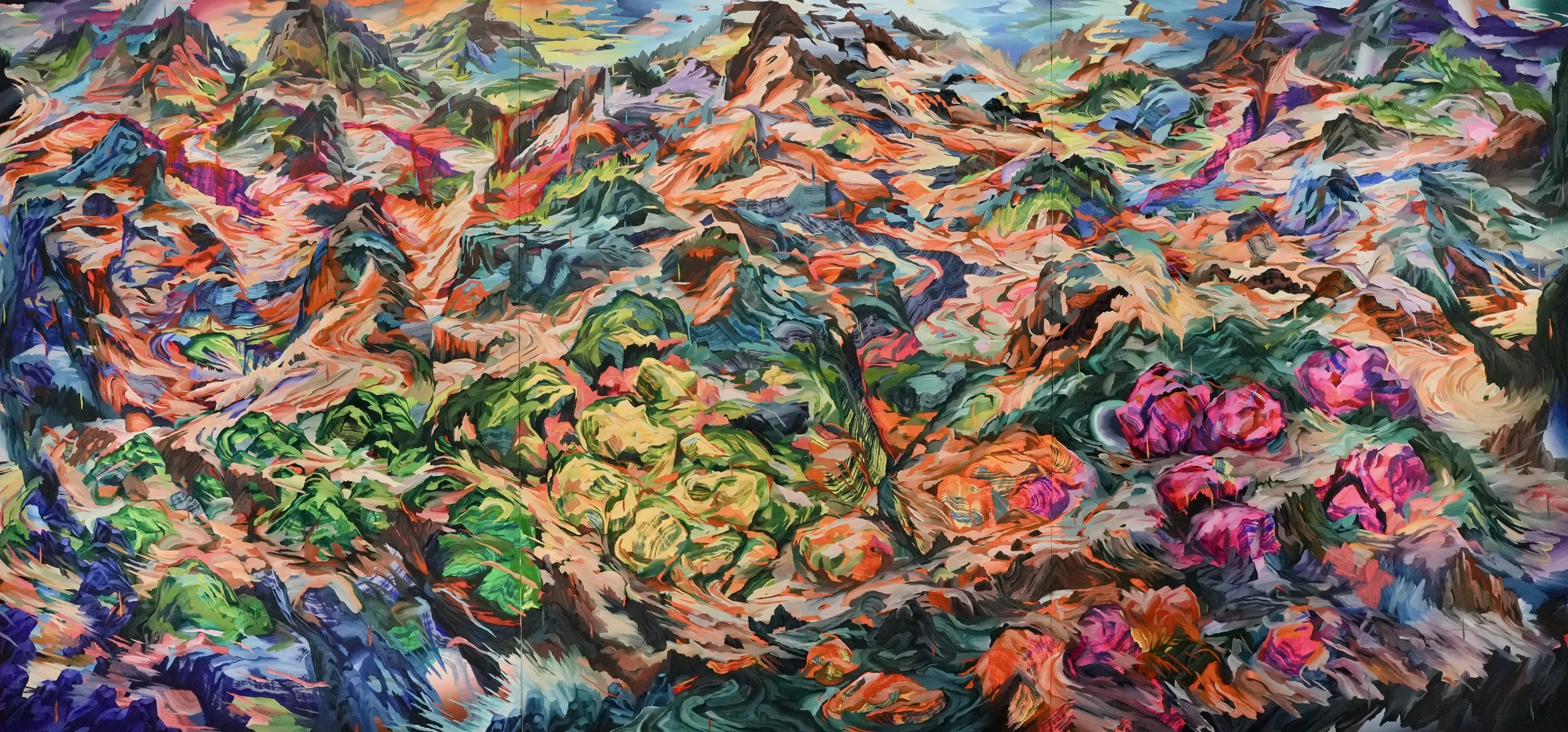
"First Song", oil on canvas, 80x84 in, 2026
The Weight of Tomorrow:
2026 Redline Resident Artist Show
September 25–November 29, 2026
Guest curated by Kimberly Kitada, Gallery & Programs Manager, Charlotte Street Foundation
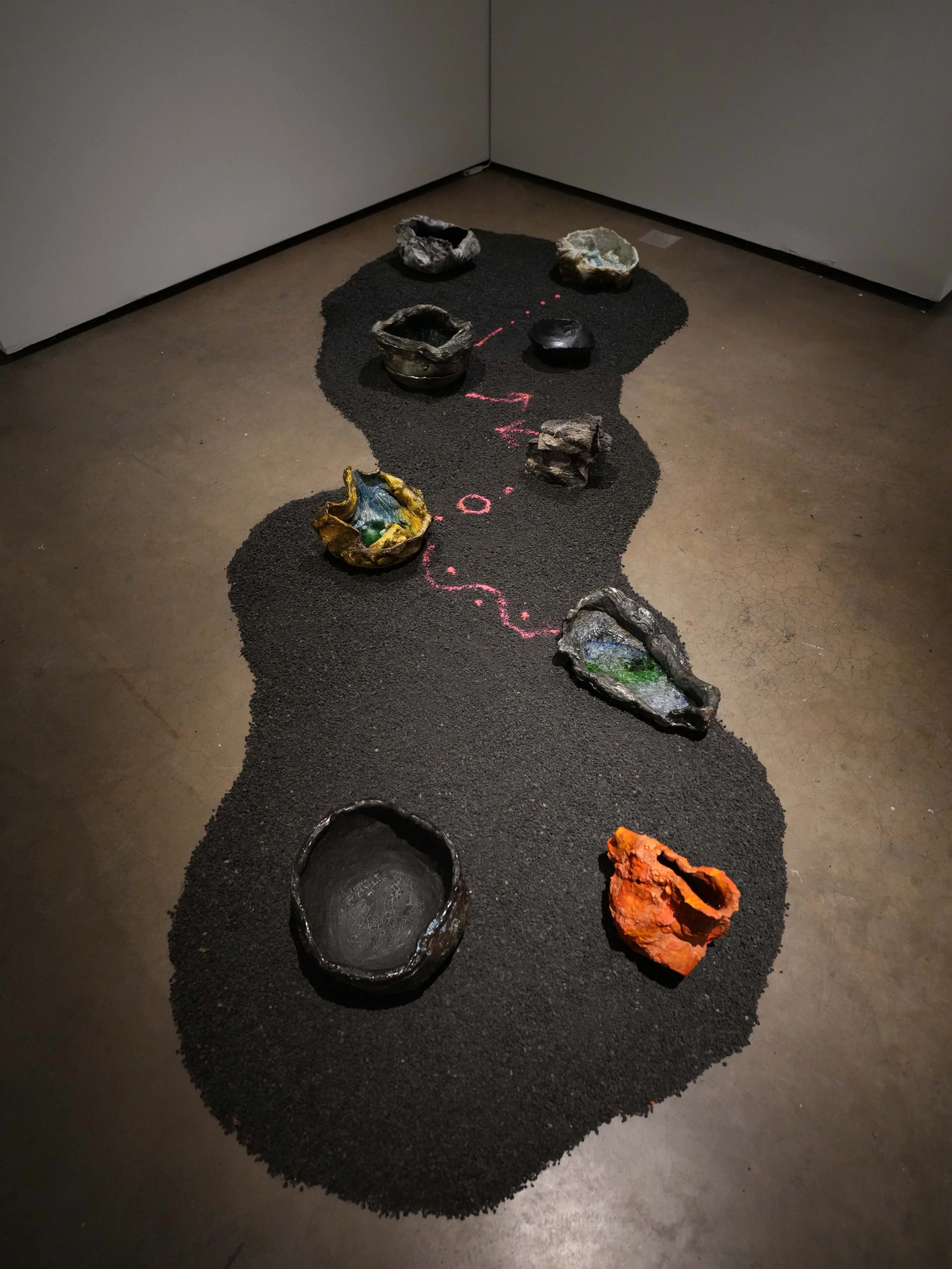
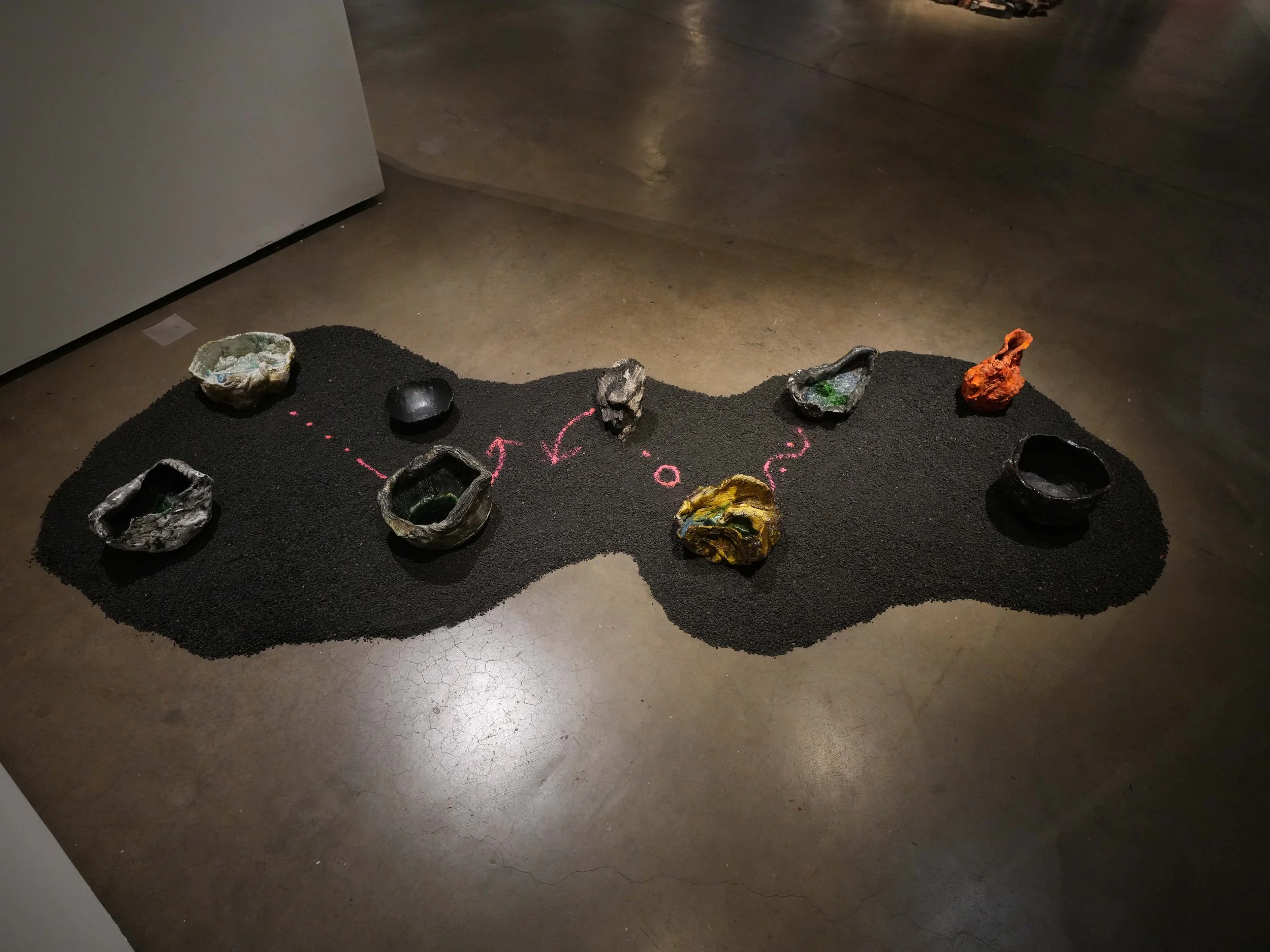
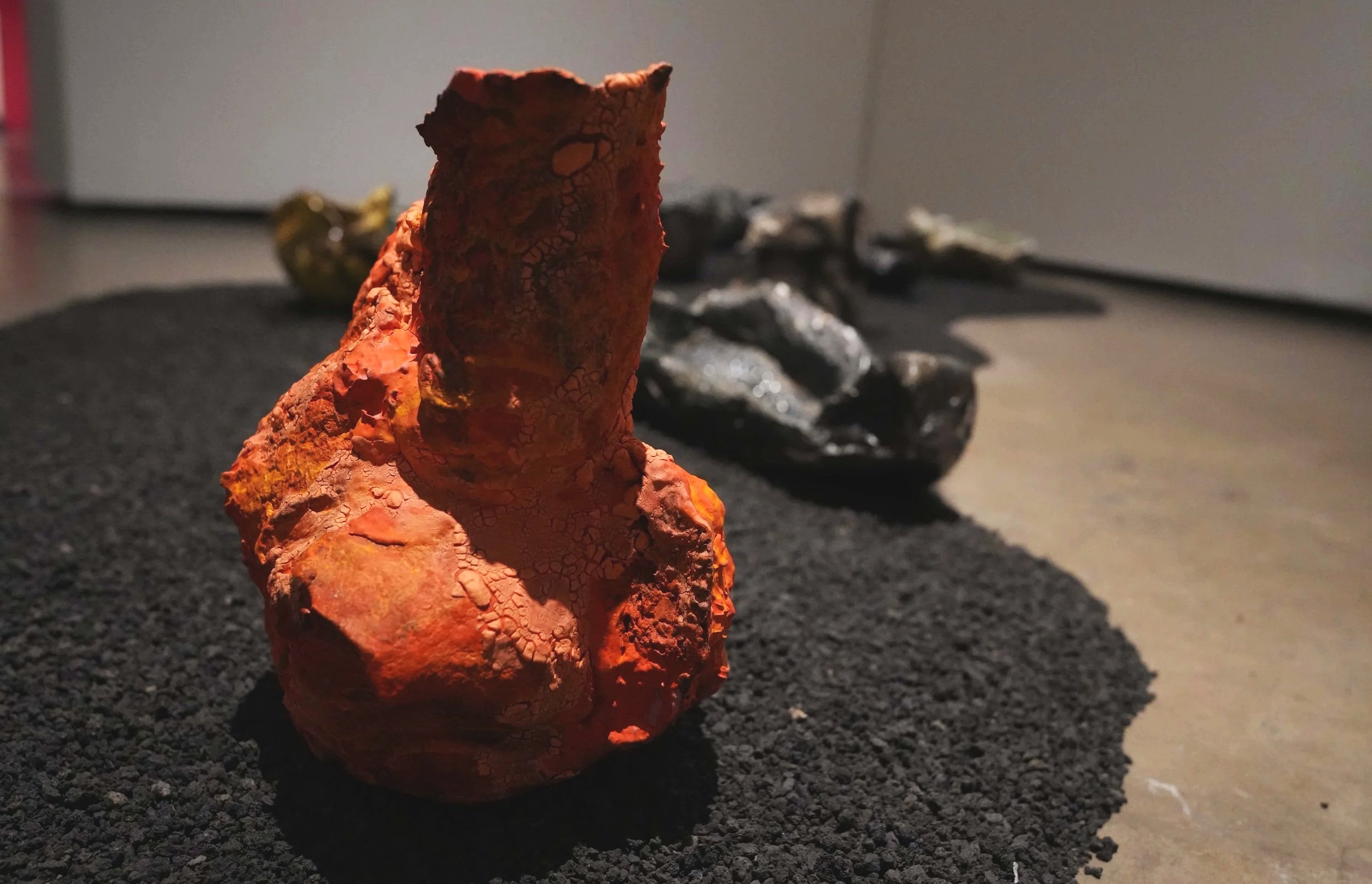
Constellation: Beta, 2026
Steven Yazzie and Michael Prepsky
Sound Collaborators: Alex Branch, Nathan Hall, Noel Waite
Ceramics, volcanic earth, and colored sand with sound